CREDIT INFORMATION

Due to recent "Cyber Theft" and "Fraudulent Copyright Violations" please contact main office 936-756-0442

EMPLOYEE LIST

For employee information please contact main office 936-756-0442

David Heintz
President
A & H Electric Co.
3505 N. Loop 336 West
Conroe, Texas 77304
Office: (936) 756-0442

Open post certified electrician in Conroe

Spring for These Energy Efficient Tasks

According to the U.S. Energy Information Administration (EIA), as of 2020, the average Texas household consumed 1,132 kilowatt-hours (kWh) per month at a $0.1171 per kWh for a total average monthly electricity bill of $132.59. Of course, these bills differ by household, depending on their specific usage and equipment choices. Other factors, including the square footage of your home and the number of household members, may influence your monthly charges.

Also, according to the EIA, a substantial percentage of a household’s annual energy consumption is spent on space heating and air conditioning. The administration adds that water heating, lighting, and refrigeration accounted for 22 percent in 2021. The remaining share of home energy use was used to power many household appliances, electronics, and other devices.

Unfortunately, as this data shows, powering our homes isn’t cheap. However, by examining your usage and identifying efficiency improvements, you have the potential to save energy and money. In addition, according to ENERGY STAR, you’ll be doing your part to help protect the environment. While many of these tips are do-it-yourself, others, like installing a smart thermostat and conducting electrical inspections, should be completed by a certified electrician in Conroe.

You Have the Power to Save By

Changing HVAC Air Filters

You should perform this task every three months for the best effects. A clean filter promotes adequate airflow and ensures your HVAC system operates efficiently. If you suffer from seasonal allergies, you may want to consider a HEPA filter.

Sealing Air Leaks and Drafts

According to the ENERGY STAR program, you can save up to $200 per year in heating and cooling costs by identifying air leaks in your building’s envelope and sealing them using cost-effective materials, such as caulk. These savings also reflect adding insulation.

Installing a Smart Thermostat

Installing a smart learning thermostat, allowing you to control and monitor the temperature from your smart device, can save you up to $100 per year on heating and cooling costs. The key to these savings is to choose an ENERGY STAR-certified model.

Swapping Out Your Lightbulbs

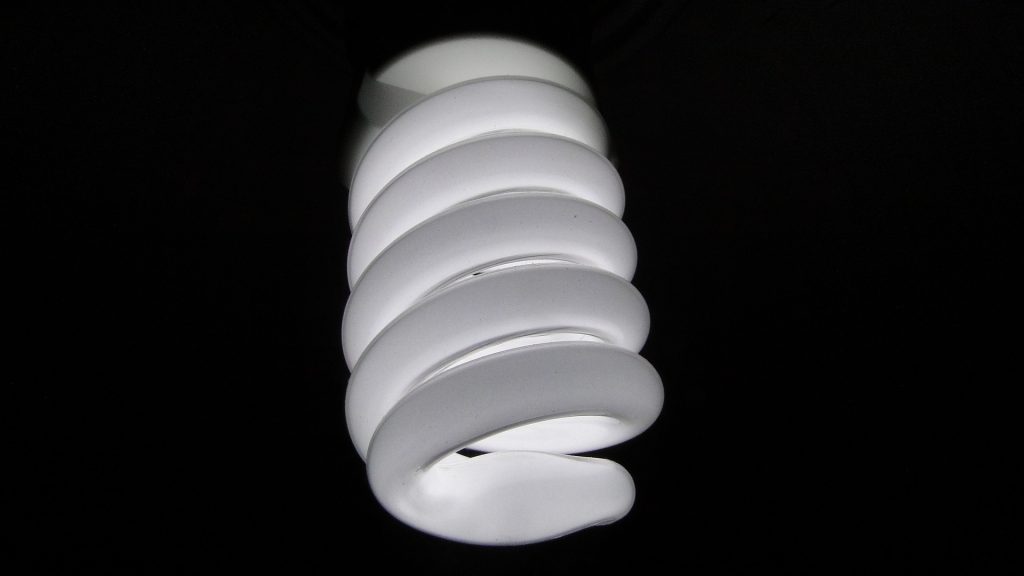
Another cost-efficient way to save energy is to swap out the bulbs in your light fixtures with CFLs or LEDs that are ENERGY STAR certified. These lightbulbs use 90 percent less energy and last 15 times longer. Also, make sure to purchase dimmable bulbs.

Installing Dimmable Switches

Once you’ve purchased dimmable light bulbs, have a certified electrician in Conroe come to your home to install dimmer switches, which allow you to set the brightness in a room. These are particularly ideal for children and family rooms.

Contact a Certified Electrician in Conroe

A&H Electric Co. has over thirty years of experience providing residential and commercial electrical repair, maintenance, and installation. We offer a full suite of services, not limited to electrical safety inspections and whole home rewiring, with all work performed by experienced technicians. Please don’t hesitate to schedule an appointment anytime you need a certified electrician in Conroe to service your home or business, even if it’s after hours, as we offer 24-hour emergency repairs.

Join the A&H Electric Co. Family! A&H Electric Co. is currently looking for experienced electrical technicians to join our team. You must have prior experience providing residential and commercial electrical repair, maintenance, and installation. If you’re interested in becoming part of the A&H Electric family, please contact us at (936) 756-0442 or complete the online job application.

Resources:

“2020 Average Monthly Bill – Residential.” U.S. Energy Information Administration (EIA), 2020.

“Heat & Cool Efficiently.” ENERGY STAR.

“How is electricity used in U.S. homes? U.S. residential sector electricity consumption by major end uses in 2021.” U.S. Energy Information Administration (EIA), n.d.

“Start Saving Now: Featured Actions.” ENERGY STAR.

“Texas State Profile and Energy Estimates.” U.S. Energy Information Administration (EIA), 2019.

“Use of energy explained.” U.S. Energy Information Administration (EIA), June 23, 2021.

Open post residential electrician

Electrical Tips to Keep the Holidays Merry

The holidays are a joyous time brimming with family gatherings, seasonal events, and glistening displays. But, unfortunately, it is the time of year for increased expenses since you need to purchase holiday gifts, plan holiday feasts, and deck the halls. Fortunately, you can implement some energy-efficient and electrical safety tips like contacting a residential electrician when decorating this season, ensuring the holidays stay merry.

Illuminate Your Holidays Safely

There are many interior and exterior lights, from icicles to projectors, that you can use to illuminate your holidays. However, it is critical to carefully inspect them before use to ensure they are safe, whether new or old. You should check for broken bulbs, cracked sockets, loose connections, or frayed wires. Once they pass this inspection, it’s a good idea to plug them in, looking for issues.

Another essential factor to consider is whether the lights will be used in an indoor or outdoor holiday lighting display since not all are multi-purpose. Before hanging twinkling lights this season, differentiate interior/exterior products by checking the UL listed tag for the approved location or searching specifically for multi-purpose varieties marked with UL’s red holographic label.

The U.S. Fire Administration (USFA), in collaboration with the National Fire Protection Association (NFPA), also recommends reading the manufacturer’s instructions to determine how many strands can be safely connected in this year’s “Put a Freeze on Winter Holiday Fires” campaign. Taking preventative measures like these can help prevent electrical failures, which the NFPA says are a leading cause of residential fires.

Save Energy when Decorating

During the winter holidays, school-aged children are on break and distant relatives are visiting, which typically translates to increased energy consumption and higher utility costs. They are also a popular time to shop with the National Retail Federation (NRF), predicting substantial holiday sales as consumers spend a significant amount of money on decorations, gifts, and non-gift purchases.

There are several energy-efficient measures that you can do to save money, allowing you to divert those funds to better use, like having a residential electrician install more circuit breakers to prevent overloading the system as you light up your holiday displays. Energy-saving measures include choosing LED lights, using automatic timers, and turning appliances and electronics off when not being used.

The U.S. Department of Energy estimates that you can save approximately 30% on your energy bill while subsequently reducing environmental emissions by setting your thermostat to an efficient yet comfortable temperature during the winter. They also recommend using a programmable or learning thermostat that will lower the heat further when you’re sleeping or away from home.

Need Electrical Repair? Consult a Licensed Electrician

Electrical issues are a significant cause for concern, particularly between November and February. The NFPA says that two out of five residential fires caused by electrical failure or malfunction occurred during this time. So should anything seem amiss as you’re decking the holidays, don’t delay; consult a licensed electrician like A&H Electric to troubleshoot the issues and make the necessary repairs.

A&H Electric Co. has over thirty years of experience providing residential and commercial electrical repair, service, and installation. We offer a full suite of services, not limited to electrical safety inspections and surge protection installation, with all work performed by certified electricians. Please don’t hesitate to make a service appointment with A&H Electric whenever you need a commercial or residential electrician to service your home or business, even if it’s after hours, as we provide 24-hour emergency electrical services.

Employment Opportunities! A&H Electric Co. is currently looking for technicians skilled in residential and commercial electrical repair, service, and installation. If you’re interested in joining our team and would like more information about available positions, please contact us at (936) 756-0442 or complete our online job application.

Resources:

Energy Saver. “Home Heating Systems.” U.S. Department of Energy.

Energy Saver. “Reduce Waste and Save Energy This Holiday Season.” U.S. Department of Energy, December 7, 2021.

Energy Saver. “Thermostats.” U.S. Department of Energy.

Inman, Danielle. “Holiday Spending Reflects Continued Consumer Demand.” National Retail Federation (NRF), October 21, 2021.

“Put a Freeze on Winter Holiday Fires.” U.S. Fire Administration (USFA) and National Fire Protection Association (NFPA).

Tassone, Anthony T. “Bulletin: Decorative Lighting Strings.” UL, July 24, 2017.

Open post electrical contractor

Practical Ways to Improve Energy Efficiency

According to the U.S. Energy Information Administration (EIA) ‘s Texas State Profile and Energy Estimates, “Texas is the largest energy-producing and energy-consuming state in the nation.” Households consume more than 1,779 trillion BTUs annually.

Earth Day falls annually on April 22 and focuses on natural processes, emerging green technology, and innovative thinking to raise awareness about environmental issues impacting the world’s ecosystems.

You can “be part of the change” by choosing to make energy efficiency upgrades using the services of an electrical contractor that will ultimately work to minimize the amount of energy your home consumes. Here are some ideas for reducing your house’s impact on the environment.

Home Energy Assessment

The U.S. Department of Energy recommends having a home energy assessment completed by a professional. These assessments will analyze previous energy use, identify air leaks, and reveal which improvements will maximize energy efficiency. An alternative option is to have a smart meter installed by an electrical contractor to monitor how much energy your appliances, equipment, and electronics are consuming.

Install Energy Efficient Lighting

ENERGY STAR-certified lighting fixtures and light bulbs use up to 90 percent less energy than standard models. There is a vast array of replacement options, including dimmable fixtures and smart light bulbs, for you to consider. When replacing fixtures, you may want to hire an electrician, especially if the home is older. Another way to save would be to open the curtains during the day and allow natural light to infuse your home.

Additional Ways to Save on Energy

  • Sealing air leaks
  • Adding attic insulation
  • Choosing a smart thermostat
  • Installing an energy-efficient water heater
  • Selecting ENERGY STAR-certified appliances and electronics
  • Maintaining your heating, ventilation, and air conditioning (HVAC) unit

Experienced Residential and Commercial Electrical Contractor

A&H Electric Co. is a certified and licensed electrical contractor specializing in residential and commercial installation, service, and repair. Our company also offers 24-hour repair services in Conroe, Houston, and The Woodlands area.

Please contact us at (936) 756-0442 to schedule a service appointment.

Our electricians possess the necessary equipment and expertise to ensure your system is fully operational. Plus, we are committed to doing the job right the first time, and all work carries a full one-year warranty.

We are currently hiring! Click here to view employment opportunities and apply today.

Resources:

“About Us: Our Successes” EarthDay.org

“Earth Day 2021.” History

“Light Bulbs.” ENERGY STAR.

“Light Fixtures.” Energy STAR.

“Residential Energy Consumption Survey (RECS).” The U.S. Energy Information Administration (EIA).

“Texas State Profile and Energy Estimates.” U.S. Energy Information Administration (EIA).

“Why Energy Efficiency Upgrades.” The U.S. Department of Energy: Office of Energy Efficiency & Renewable Energy.

Open post Dont-Be-Haunted-by-Flickering-Lights

Don’t Be Haunted by Flickering Lights

A rare full moon, Jack-O’-Lanterns, and ghost pathway markers will provide ample lighting on Halloween night. Only one of these three sources, depending on its method of illumination, should flicker. Flickering lights are a serious issue that, in most cases, requires a professional to service electric.

What is Flicker?

The U.S. Department of Energy defines flicker “as the rapid variation in light source intensity, which can cause visual effects ranging from uncomfortable to harmful or dangerous.” It can occur at several frequencies regardless of the type of light fixture or bulb. Even LEDs can flicker under the right conditions (U.S. Department of Energy).

This definition emphasizes the importance of having the cause of flickering lights identified so that repairs can be made, as needed, to your residential wiring or other electrical components. A licensed electrician can diagnose the issue and make recommendations to service electric.

What Causes It?

There are many possible causes of flickering lights. These typically vary in terms of complexity. A less complicated problem that isn’t too frightening involves a loose light bulb. It can cause a flicker and may also burnout far more swiftly. Correct the issue by tightening the bulb. Consider purchasing LEDs, which offer a longer lifespan and energy efficiency.

Next in complexity is an incompatibility between a light bulb and a dimmer switch. Today’s dimmer switches require dimmable LEDs but to ensure compatibly it is essential to check the bulb’s box. Some controllers may be compatible with smart LEDs operated by a smartphone app or voice assistant.

More severe problems that require immediate professional assistance include voltage fluctuations and faulty residential wiring. These issues should be immediately corrected to prevent costly additional issues or damage to your appliances, electronics, or your home. According to the National Fire Protection Association, electrical malfunction caused 44,880 home fires between 2012 and 2016.

Service Electric Today

It’s essential to have a licensed electrician service electric components within your home or office. A&H Electric can expertly handle all your electrical projects, regardless of complexity, ensuring your system is up to code and optimally operating.

A&H Electric is a certified and licensed residential and commercial electrician specializing in installation, service, and repair. Our company is proud to help with your electrical system in Conroe, Texas, and neighboring communities.

Please schedule an appointment today at (936) 756-0442.

Resources:
“Flicker.” The U.S. Department of Energy: Office of Energy Efficiency & Renewable Energy.
“Flicker Basics.” The U.S. Department of Energy: Office of Energy Efficiency & Renewable Energy.
“Home Electrical Fires.” The National Fire Protection Association (NFPA).

Smart Lighting: Getting Started

smart lighting

Let there be light! Controlling lights has never been easier than it is today. Smart lighting, whether with bulbs or switches, offers a relatively affordable way to light up your Conroe, Texas home or even, your business. If you’re interested in home automation, installing smart bulbs, smart switches or a combination of both is a great way to get started.

Smart Bulbs

Smart bulbs use light-emitting diodes (LEDs) and connected technology, such as Wi-Fi, ZigBee or Bluetooth to provide a degree of control and interactivity that you just can’t get with traditional bulbs. With smart bulbs, you have complete scheduling control, so you can come home to a lit house without leaving your lights on all day. Perfect for energy-efficiency! They can also be programmed to automatically dim or change color; great for setting the mood during date nights.

Smart Switches

Replacing traditional LEDs with smart bulbs isn’t the only way to achieve smart lighting. Smart wall switches connect to your home Wi-Fi and work with several popular home automation platforms. Smart switches can also be controlled via a smartphone whether the switch is on or off, whereas, smart bulbs require the switch to be on always. In addition to controlling the lights, smart switches can control your home appliances and electronics, even if they’re “dumb” devices. You can self-install or, better yet, contact a licensed electrician.

Achieving Ultimate Convenience

Have an Amazon Echo, Google Home, or Apple HomeKit device? Look for a compatible smart bulb or switch that allows you to control your lighting with your voice. Of course, you can also turn the bulb on or off by flipping a switch, as well. Some products can also integrate with security cameras, programmable thermostats, and other smart home devices. A home automation hub or bridge may be required.

If This, Then That (IFTTT) helps your apps and devices talk to each other. You can create applets that react in response to certain triggers or commands. For example: You can tell Domino’s pizza delivery app to automatically turn on the porch lights when the pizza is on the way. To date, IFTTT has more than 550 partner services, and millions of users who have created billions of applets.

Resolve to Save Energy in 2018

save energy

The beginning of a new year provides the perfect opportunity to update your home. When setting goals for your home, it’s a good idea to start by looking at your home’s energy efficiency or possibly, lack of. One goal that is easy to keep and will put money directly back into your wallet is to resolve to save energy.

Here are some ways to save energy in 2018.

Seal any air leaks. Sealing air leaks is a cost-effective way to cut heating and cooling costs, improve system durability, and increase comfort. It can also help to create a healthier indoor environment. The Department of Energy recommends using caulk and/or weatherstripping to seal leaks arounds doors, windows, and where any plumbing or electrical wiring comes through the home’s envelope.

Choose energy-saving lighting. LED lighting doesn’t just use less energy than traditional incandescent lighting, it also lasts up to 25 times longer, and turns on at full brightness almost instantly. LEDs are quite affordable – you can pick up a box of eight for under $20 at your local home improvement or hardware store. LEDs can also be controlled via a smart switch, or if using smart LEDs, a hub.

Install and set a programmable thermostat. It’s no secret that heating and cooling costs account for more than 40% of a home’s energy use. Switching from a manual to a programmable thermostat is one way to save up to 10% a year. The most basic programmable thermostat can be self-installed in under an hour, allowing you to easily set temperature settings for different times of the day. The best programmable thermostats come with a built-in application that can be controlled from a smartphone or tablet allowing you to control and monitor the temperature even when you’re not home.

Use a surge protector for your electronic equipment. Surge protectors (also called surge suppressors) protect your electronic equipment – home theater systems and gaming computers included – from damage in the event of random power spikes or surges. When shopping for a surge protector, it’s a good idea to get one with more outlets than you currently need, so you can add more components later. You can save $100 a year just by plugging your devices into a surge protector and turning it off at night.

Hire a professional to inspect and maintain your electrical system. A certified and licensed electrician will do a comprehensive audit of your entire electrical system, ensuring all wires, systems and components meet legal safety standards. Upon completion of the inspection, you will be provided with a detailed checklist, which includes areas in need of immediate attention and recommendations for improvement. The Electrical Safety Foundation recommends having a professional inspection done:

  • When purchasing a home
  • When a home is past 40 years old
  • When adding or upgrading an appliance
  • When completing major home renovations

Halloween Lighting Ideas

Halloween lighting ideas

Halloween is just a week away. That means it’s time to get your spook on. Between eerie tunes that cause spine tingling chills, decorations like hanging skeletons and faux spider webs and spooky Halloween lighting, there are plenty of ways to make your house the scariest on the block.

Here are few ideas for Halloween lighting and DIY decorations.

Halloween Lighting Ideas

Color Changing LEDs

Can’t decide on a color scheme for your Halloween décor? Try installing a couple color-changing bulbs to give your house a creepy hue. LEDs use 75% less energy than incandescent of similar brightness – so you won’t be surprised with a scary electric bill come November – and are designed to last 20-years.

Halloween String Lights

These lights practically scream Halloween. LED lights in the shape of Halloween icons, such as orange pumpkins, black cats and white ghosts shine bright indoors and out. You can hang them from your porch, fence, and trees or bushes to spook up your front yard. Make sure to inspect light strings for safety.

Colored Flood Light Bulbs

Ditch traditional white bulbs in your flood and spotlights for colored light bulbs. Orange and red colored light bulbs will create an ominous glow across your lawn, while blue and green hues are perfect for creating creepy cemetery scenes. These colors will also provide broad light ensuring the safety of trick-or-treaters.

DIY Halloween Decorations

Paper Silhouettes

Make cutouts from black paper, stick them in your windows, and back them with translucent white paper to create creepy shadows that are backlit with LED lights. Need artistic inspiration? Click here to download silhouette templates.

Pumpkin Porch Light Cover

Buy a pumpkin trick-or-treat pail – you can find these at your local dollar store or big box retailer – and using scissors, cut down the back’s center from top to bottom. You’ll also want to cut off the bottom. Pull the pumpkin down over the top of the light, ensuring the handle is secure, so that the pumpkin doesn’t fall off.

Halloween Mason Jar Luminaries

To make, simply place a sticker on the front of the jar, and spray the entire jar with primer and then paint in your choice of color. Allow time to dry between coats. Once dry, carefully peel the stickers off, and place a flameless LED tea lights inside.

Energy-Saving Tips for the Office

We have talked extensively about ways to save energy at home; now it is commercial business owners and managers turn for energy-saving tips. The following tips can yield significant savings.

Lights Off

Turn off lights when not needed. Turning off fluorescent lights when you plan on being out of a room for more than 15-minutes saves energy, extends overall lamp life, and reduces replacement costs. Contrary to popular belief, turning lights on and off does not use more electricity than leaving the lights on.

Improve Lighting Systems

Lighting consumes 25 to 30% of energy in commercial buildings (ENERGY STAR). Replacing incandescent bulbs with energy-efficient LED or fluorescent bulbs can reduce electricity consumption and improve your employee’s comfort. You may also want to consider replacing inefficient or outdated lighting fixtures.

Use Programmable Thermostats

When programming your thermostat, consider your normal business hours. During these hours, program the thermostat to 68˚F in the winter, and 78˚F in the summer. Depending on the season, program thermostats up or down outside these hours. Consider installing locking devices on thermostats to maintain desired temperature settings.

Establish a Preventative Maintenance Program

Establish an effective preventative maintenance program for your electrical system and equipment. Benefits include reduced repair costs, minimized or eliminated downtime, extended system and equipment longevity, and personal safety. Contact a certified electrician who services commercial offices in your area to get started.

Purchase ENERGY STAR Certified Office Equipment

When purchasing new office equipment, look for the ENERGY STAR label. The ENERGY STAR office equipment program promotes energy-efficient computers, monitors, imaging equipment, enterprise servers, data center storage equipment, small and large network equipment, and uninterruptible power supplies.

Save on Utilities

save on utilities

Oftentimes, many Texas families stare dejectedly at utility bills exceeding $100, $200 and sometimes more per month. According to 2014 data from the U.S. Energy Information Administration (EIA), the average monthly electricity bill in Texas is $137.39; among the highest in the nation. Water bills vary depending on city. This is because part of the state has a deregulated utilities market. Though this may be a hard pill to swallow, there are steps you can take to save on utilities.

Turn it Down

One of the easiest ways to save money on utilities is to turn down the heat in the winter and the air conditioner in the summer. Try setting the thermostat to 79 degrees in the summer. During the winter, set it at 68 degrees during the day, turning it down to 65 degrees at night or when you’re planning to be away from home. For additional savings, as well as convenience, install a programmable thermostat.

Turn it Off

It generally takes less than two minutes to walk through the house – depending on its square footage – ensuring all lights, fans and electronics are fully shut off. You may also want to unplug any electronics as well as appliances when they are not being used as they may still draw energy. These devices are called “vampires.” The best thing you can do is to develop a “turn it off” rule in your house.

Keep it Clean

Be sure to regularly clean your air filters. ENERGY STAR recommends changing them monthly or every three months if you invest in high-quality HEPA filters. Clean air filters are critical to the proper performance of your heating, ventilation, and air conditioning system (HVAC), not to mention to your home’s indoor air quality, as well as lowering your monthly heating and cooling costs.

Add Insulation

Inadequate levels of insulation can result in abnormally high energy bills. If you’re not sure why your bill is so high, you may want to invest in an energy audit or at the very least, have an insulation contractor come out to measure your current insulation levels. It is worth the investment! According to this year’s Cost vs. Value report, adding fiberglass insulation to your attic has an average return on investment of 107.7%.

Switch to LEDs

Choose light bulbs carefully. ENERGY STAR rated light emitting diodes (LEDs) use 90 percent less energy than standard incandescent bulbs and last 25 times longer. When you compare them directly with other energy efficient light bulbs – those currently on the market today – you will find that LED is the smartest solution for illumination. They are environmentally friendly as well. No conversion is required.

Making the Switch to LEDs

LEDs

LEDs are extremely energy efficient, consuming 90% less power than incandescent bulbs, and lasting 50,000 times longer. Although these bulbs may have a higher initial cost than more traditional bulbs, like incandescent, the cost is quickly recouped over time in lower electricity costs. These bulbs are also made from non-toxic materials, generate virtually no heat, and are 100% recyclable. If you have been considering making the switch to LEDs, NOW is definitely the best time to do so.

The History of LEDs

In 1878, Thomas Edison developed and patented the first, practical incandescent light bulb. In 1880, he began marketing these light bulbs to the public, doing business under the name of “Edison Electric Light Company.” Over the next several decades, other inventors also created light bulbs, and in 1962 the first practical light-emitting diode (LED) was created and marketed to the public.

In addition to LEDs, more types of energy efficient light bulbs, including the halogen bulb and the compact fluorescent bulb (CFL) were developed. Of the three, LEDs are available in a wide variety of shapes, wattages and sizes to accommodate most any light fixture. Today, the incandescent light bulb is considered obsolete given its relatively low brightness, and high energy consumption.

Environment Friendly

LEDs require very little electrical power to operate. In addition, their operating life is very competitive when compared directly with other types of light bulbs; approximately 50,000 hours compared to incandescent bulbs’ 2,000. Lastly, LEDs tend to generate less heat than other types of light bulbs, which avoids energy loss thus saving you 50 to 80 percent on your utility bills each month

Making the Switch is as Easy as 1-2-3

  1. Visit your local home improvement, hardware, or big box retailer to purchase replacement LED bulbs in the specific size, shape, and wattage you need.
  2. Remove your fixture’s existing light bulb, properly disposing of them.
  3. Install the bulbs. LED bulbs don’t require any conversion kits. They use the same sockets as your old incandescent or compact fluorescent bulbs.